

Siesta Key: A Haven for Sea Turtles
Siesta Key is famous for its white quartz sand and calm Gulf waters. But beyond the beauty lies something even more powerful — a thriving sea turtle habitat. At VacationonSiesta.com, we believe nature is part of the experience, and understanding these incredible marine creatures makes your stay even more meaningful.
Every year, ancient sea turtles return to these shores to nest. Their journey is guided by instinct, lunar cycles, and environmental conditions that make Siesta Key one of Florida’s most important nesting grounds.
This guide will explain why Siesta Key: A Haven for Sea Turtles is more than just a topic; it’s a responsibility shared by visitors, locals, and conservationists.
Why Siesta Key Is a Critical Habitat for Sea Turtles
Siesta Key sits along the warm waters of the Gulf of Mexico. Its beaches provide:
- Warm sand for incubation
- Gentle shoreline slopes
- Reduced artificial lighting (in protected zones)
- Coastal vegetation for dune stability
These conditions create a natural nesting sanctuary.
The southern end of the island, especially Turtle Beach, has coarser sand that sea turtles prefer for digging deep nests.
Sea Turtle Nesting Season in Siesta Key
Nesting season runs from May 1 to October 31 each year.
During this period:
- Female turtles come ashore at night.
- They dig nests about 18–24 inches deep.
- Each nest may contain 80–120 eggs.
- Hatchlings emerge after 45–70 days.
The most common species here is the Loggerhead sea turtle. Occasionally, you may also find nests from the Green sea turtle.
The Hatching Process on Siesta Key
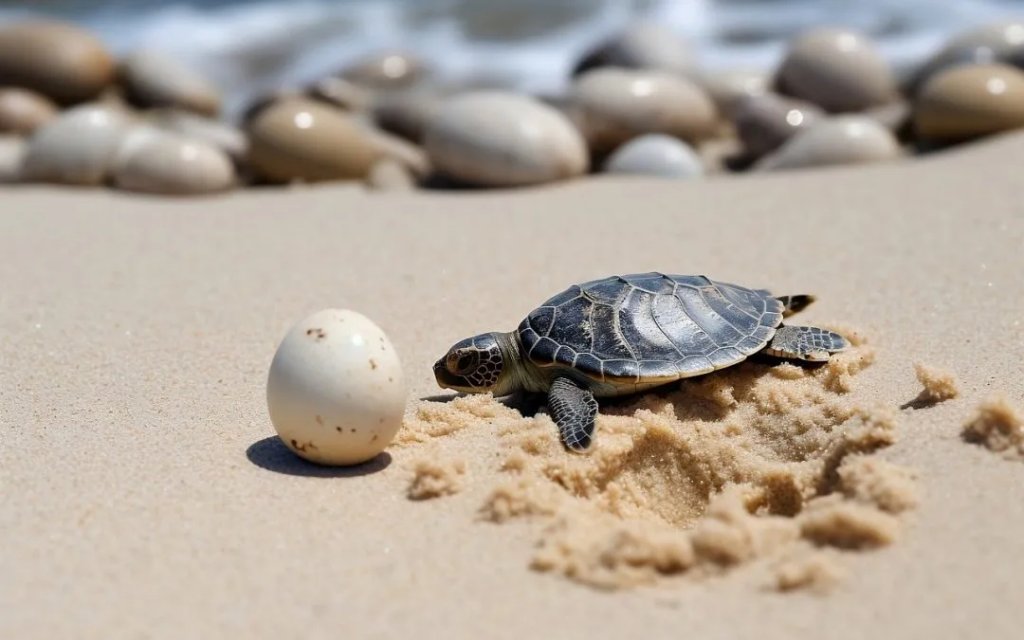
After approximately 45 to 70 days of incubation, sea turtle eggs begin to hatch beneath the warm sand of Siesta Key. Hatchlings typically emerge at night, guided by the natural glow of the moon reflecting on the Gulf waters. This nighttime emergence helps protect them from predators and heat exposure.
However, artificial beachfront lighting can disorient baby turtles, causing them to move inland instead of toward the ocean. That is why lighting regulations and responsible tourism are essential to protecting hatchlings during nesting season on Siesta Key.
Nesting Trends Overview (Recent Seasons)
Below is a simplified representation of nesting activity trends in Sarasota County.
Year Estimated Nests
2022 ████████████ (High)
2023 ██████████ (Moderate)
2024 ███████████ (Strong Recovery)
2025 ████████████ (Very High)
Nesting numbers fluctuate due to climate conditions, ocean currents, and coastal development. However, overall conservation efforts have shown encouraging results.
Local conservation support from Mote Marine Laboratory & Aquarium plays a major role in monitoring and protecting nests.
Turtle Beach vs Siesta Beach – Nesting Comparison
Siesta Beach is known for its powdery quartz sand, while Turtle Beach has coarser, darker sand.
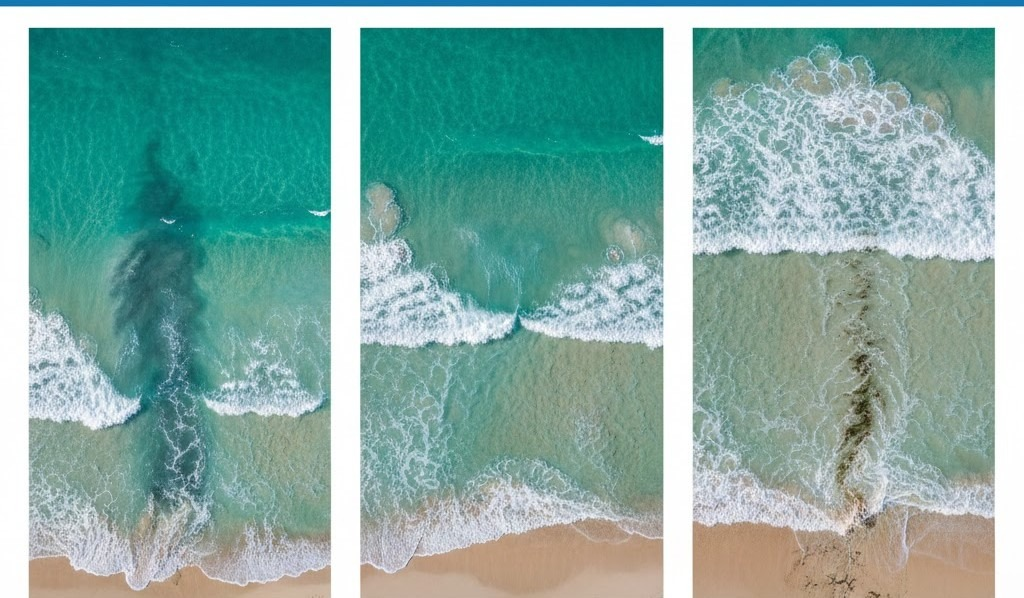
Here’s a quick comparison:
| Feature | Turtle Beach | Siesta Beach |
| Sand Type | Coarser | Fine Quartz |
| Nesting Frequency | Higher | Moderate |
| Night Lighting | Lower | Controlled |
| Popular with Tourists | Moderate | Very High |
| Ideal for Turtle Nests | Yes | Less Ideal |
This difference explains why nesting activity tends to be more concentrated on the southern shoreline.
How Visitors Can Protect Sea Turtles
If you’re staying on Siesta Key, your actions matter.
Follow these guidelines:
- Turn off beachfront lights at night.
- Avoid flash photography.
- Fill in beach holes before leaving.
- Remove chairs and umbrellas after sunset.
- Keep a safe distance from marked nests.
Small steps help hatchlings reach the ocean safely.
Climate & Sand Temperature: Why Siesta Key Matters for Turtle Survival
One lesser-known reason Siesta Key: A Haven for Sea Turtles remains so important is sand temperature. Sea turtle hatchling gender is determined by the warmth of the sand during incubation. Siesta Key’s balanced coastal climate helps maintain healthier nest temperatures, reducing the risks caused by extreme heat. This natural balance improves hatchling survival rates and supports long-term population stability across Florida’s Gulf Coast.
Environmental Challenges Affecting Sea Turtles
Despite protection efforts, sea turtles face challenges:
- Artificial lighting disorients hatchlings
- Coastal construction reduces nesting space
- Climate change alters sand temperature
- Boat strikes in Gulf waters
Protection zones and community awareness programs continue to reduce these threats.
Why Sea Turtles Matter to Siesta Key’s Ecosystem
Sea turtles maintain ocean health by:
- Seagrass Maintenance: Sea turtles eat seagrass, keeping beds healthy and providing habitats for fish.
- Food Web Balance: They control populations of jellyfish and other species, maintaining ecosystem equilibrium.
- Beach Support: Nesting activities provide nutrients and help stabilize sand dunes, supporting coastal plant growth.
Their presence reflects the ecological balance of the Gulf Coast.
This is exactly why Siesta Key: A Haven for Sea Turtles remains one of Florida’s most environmentally important coastal destinations.
Responsible Tourism & Conservation
When you visit responsibly, you become part of the conservation effort.
Staying in eco-conscious accommodations, respecting wildlife guidelines, and supporting local initiatives strengthens long-term sustainability.
At VacationonSiesta.com, we encourage guests to enjoy the island while preserving its natural beauty.
Community Involvement & Long-Term Conservation Impact
Local community involvement plays a critical role in protecting nesting beaches on Siesta Key. Volunteers, property managers, and eco-aware visitors work together to report nesting activity, protect marked nests, and follow wildlife regulations. These collaborative efforts ensure that conservation is not limited to organizations alone but supported daily by residents and guests who understand the value of preserving this fragile ecosystem.
The Future of Sea Turtles on Siesta Key
Conservation efforts continue to improve nesting outcomes each year. Community awareness, scientific monitoring, and responsible tourism are helping protect future generations of turtles.
As travelers become more eco-conscious, destinations like Siesta Key stand as examples of how tourism and wildlife can coexist.
Siesta Key: A Haven for Sea Turtles is not just about wildlife — it is about preserving a living coastal legacy.
Plan Your Nature-Inspired Stay
Experience the beauty of Siesta Key while respecting the wildlife that calls it home. Stay near protected beaches, wake up to Gulf sunrises, and witness one of nature’s most extraordinary journeys.
Book your next coastal getaway with VacationonSiesta.com and discover why this island remains one of Florida’s most treasured marine sanctuaries.
Reserve your stay today and be part of the conservation story.
Frequently Asked Questions
1. When is sea turtle nesting season in Siesta Key?
Ans: Nesting season runs from May 1 to October 31 each year.
2. Can visitors see sea turtles during the day?
Ans: It is rare to see nesting during the day since turtles usually nest at night. Hatchlings may sometimes be spotted early in the morning.
3. Are sea turtles protected in Florida?
Ans: Yes. Sea turtles are protected under state and federal laws. Disturbing nests is illegal.
4. Which beach has the most turtle nests?
Ans: Turtle Beach typically has more nests due to its coarser sand and quieter shoreline.
5. How can tourists help protect sea turtles?
Ans: Follow lighting rules, avoid disturbing nests, remove beach equipment at night, and respect posted signage.
Stay Salty!