
Caught in the Current: Your Essential Guide to Rip Tides on Siesta Key (and Beyond!)
A beach vacation offers relaxation, sunshine, and unforgettable memories, but ocean conditions can sometimes hide serious risks. One of the most dangerous yet misunderstood coastal hazards is the rip current, often mistakenly called a rip tide. According to the National Oceanic and Atmospheric Administration, rip currents cause more than 100 deaths in the United States every year, more than any other beach hazard.
This comprehensive guide explains what rip currents are, how they form, how to identify them, and the safest ways to respond if caught in one. For travelers planning coastal stays, reliable safety knowledge is just as important as choosing the right accommodation. Trusted local resources like VacationonSiesta.com emphasize that understanding ocean safety is a critical part of enjoying Siesta Key’s world-famous beaches.
What Are Rip Currents?
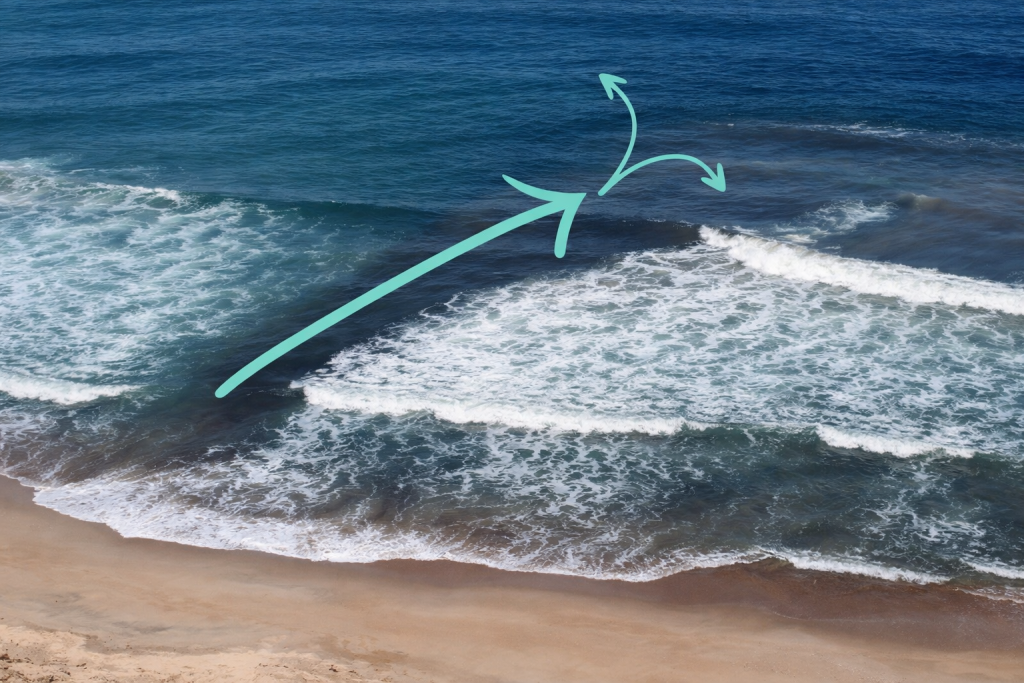
Rip currents are strong, narrow channels of water that move rapidly away from the shoreline toward deeper ocean waters. They form when waves break unevenly along the beach, causing water to rush back out through a narrow path.
Unlike waves, rip currents do not pull swimmers underwater. Instead, they carry people away from shore, often faster than an Olympic swimmer can swim. Panic, exhaustion, and lack of awareness make rip currents extremely dangerous.
Why Rip Currents Are Common on Siesta Key
Siesta Key’s shoreline is shaped by natural features that increase rip current formation:
- Shifting sandbars
- Tidal changes
- Seasonal wave patterns
- Weather systems in the Gulf
Rip currents can form any day of the year, including sunny days when the ocean appears calm. This makes education and awareness especially important for visitors unfamiliar with local conditions.
How to Identify a Rip Current Before Entering the Water
Learning how to visually recognize rip currents can prevent dangerous situations before they begin.
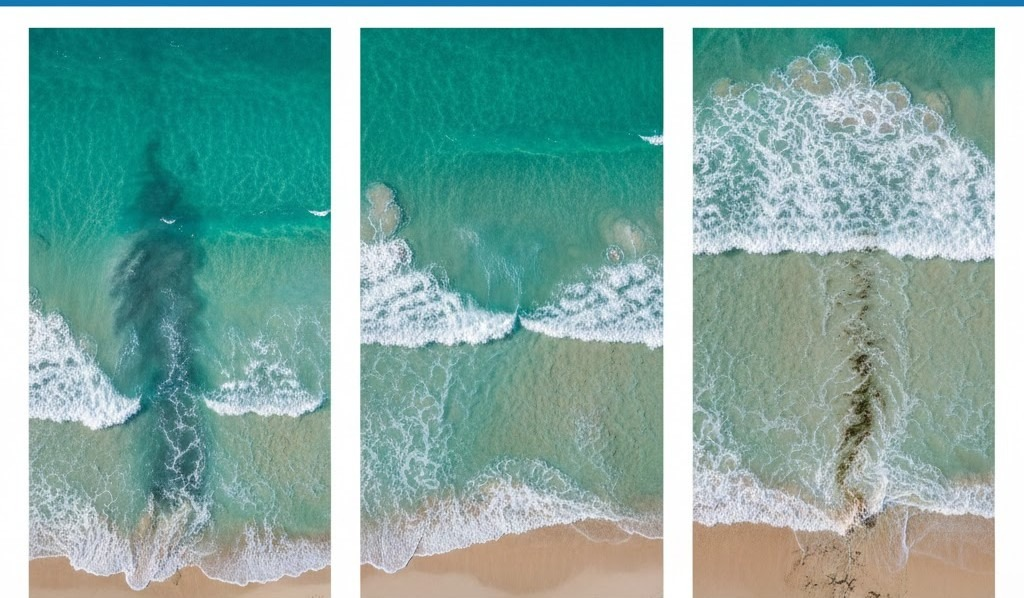
Common Warning Signs
| Indicator | Description |
| Darker water | Appears deeper than surrounding areas |
| Break in waves | Fewer or no breaking waves |
| Foam or debris | Seaweed moving steadily offshore |
| Choppy surface | Rough texture surrounded by calmer water |
Recognizing rip currents visually is one of the most effective ways to prevent dangerous situations before entering the water. Many beach accidents occur simply because swimmers are unaware of what to look for. By taking a few moments to observe wave patterns, water color, and surface movement, visitors can make safer decisions.
Real-Life Rip Current Statistics Every Visitor Should Know
Each year, rip currents are responsible for the majority of lifeguard rescues on U.S. beaches, including popular Gulf Coast destinations like Siesta Key. Many incidents involve visitors who are unfamiliar with ocean behavior rather than reckless swimmers.
Understanding how frequently rip currents occur helps travelers take safety warnings seriously. Awareness backed by real statistics encourages smarter decisions before entering the water and highlights why preparation matters even on relaxed vacation days.
What Happens When Someone Is Caught in a Rip Current?
Many swimmers instinctively attempt to swim directly back to shore, which is the most dangerous reaction. Fighting against the current leads to rapid fatigue.
Typical Rip Current Experience
- Sudden pull away from shore
- Feeling unable to make forward progress
- Increased panic and exhaustion
- Difficulty breathing due to stress
Understanding the correct response dramatically improves survival chances.
How to Escape a Rip Current Safely
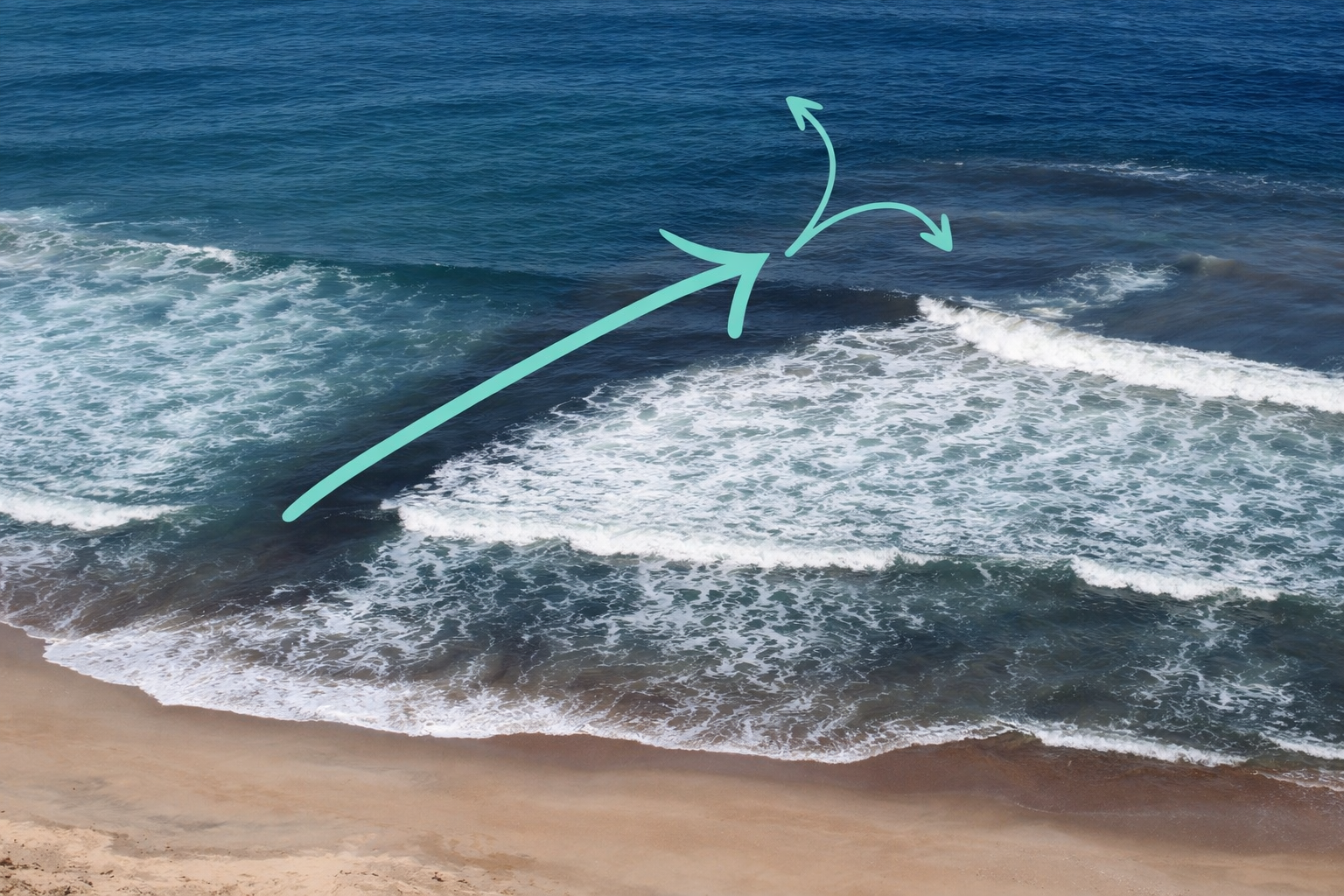
Experts agree on one effective method: do not fight the current.
Step-by-Step Safety Guide
| Step | Action |
| 1 | Stay calm and conserve energy |
| 2 | Float or tread water if needed |
| 3 | Swim parallel to the shoreline |
| 4 | Exit the narrow current |
| 5 | Swim back to shore at an angle |
Rip currents are narrow. Swimming sideways allows escape from the flow.
What NOT to Do in a Rip Current
Avoid these common mistakes:
| Mistake | Risk |
| Swimming straight to shore | Rapid exhaustion |
| Panicking | Increased oxygen loss |
| Ignoring warning flags | Entering dangerous water |
| Using inflatables | Loss of control |
Remaining calm and informed saves lives.
Understanding what actions to avoid is just as important as knowing what to do. Many rip current incidents escalate because of instinctive but incorrect reactions.
Addressing common mistakes helps eliminate confusion and reinforces proper safety behavior.
Understanding Beach Flag Warning Systems
Siesta Key beaches use flag systems to communicate ocean conditions clearly.
| Flag Color | Meaning |
| Green | Calm conditions |
| Yellow | Moderate hazard |
| Red | High hazard |
| Double Red | Water closed |
| Purple | Marine life warning |
Checking flags before entering the water is essential for safety.
How Lifeguards Monitor and Respond to Rip Current Conditions
Professional lifeguards constantly monitor wave patterns, wind direction, and water movement to identify dangerous rip current activity. When conditions change, flags are updated and public warnings may be issued to keep swimmers informed.
Visitors should take a moment to speak with lifeguards about daily conditions, especially when traveling with children or inexperienced swimmers. Local lifeguard knowledge provides real-time safety insight that weather apps or general forecasts may miss.
Rip Currents vs Other Ocean Movements
Many beachgoers often mistake rip currents for normal waves, tides, or wind-driven water movements. Unlike gentle waves, rip currents are powerful, narrow channels of fast-moving water that can pull swimmers away from shore.
Understanding the difference between rip currents and other ocean movements is crucial for staying safe. Being able to identify these currents helps visitors enjoy the water responsibly and avoid accidents
Comparison Table: Ocean Hazards
| Hazard | Direction | Danger Level |
| Rip Current | Offshore | High |
| Undertow | Brief pull | Low |
| Tidal Current | Sideways | Moderate |
| Shore Break | Onshore | Injury risk |
Understanding these differences prevents misinformation and panic.
Seasonal Rip Current Risk on Siesta Key
Rip currents are more common during:
- Storm activity
- High surf days
- Changing tides
- Strong offshore winds
Monitoring daily beach conditions is strongly recommended, including NOAA’s rip current safety and forecast guidance before you head out.
Why Local Knowledge Matters
General beach safety advice is helpful, but local insight adds an extra layer of protection. This guide shares region-specific information, helping visitors understand when and where rip currents are more likely to occur.
Local awareness improves safety outcomes and enhances vacation experiences.
Essential Safety Tips for Families and Visitors
- Swim near lifeguards
- Never swim alone
- Keep children within reach
- Avoid water during red flags
- Exit immediately if conditions change
These precautions significantly reduce risk.
Safe and Enjoyable Beach Visits in Siesta Key
Siesta Key’s beaches are among the most beautiful in the world, but safety awareness is essential. Education, preparation, and respect for ocean conditions help ensure beach visits remain enjoyable and accident-free.
Reliable local guidance, like that provided by VacationonSiesta.com, helps travelers combine relaxation with responsible decision-making.
Planning a Siesta Key getaway? Choose accommodations that combine comfort, local expertise, and safety awareness. Contact us for a vacation experience that prioritizes peace of mind as much as unforgettable memories.
FAQs
1. Are rip currents dangerous for strong swimmers?
Ans: Yes. Rip currents can overpower even experienced swimmers due to speed and exhaustion.
2. Can rip currents occur on calm days?
Ans: Yes. Rip currents are often present even when the ocean looks calm.
3. How long do rip currents last?
Ans: They may last minutes or persist for hours depending on conditions.
4. Is it safe to use floatation devices?
Ans: No. Inflatables can be pulled offshore by rip currents.
5. Are children at higher risk?
Ans: Yes. Children require close supervision and should swim near lifeguards.
Stay Salty!